
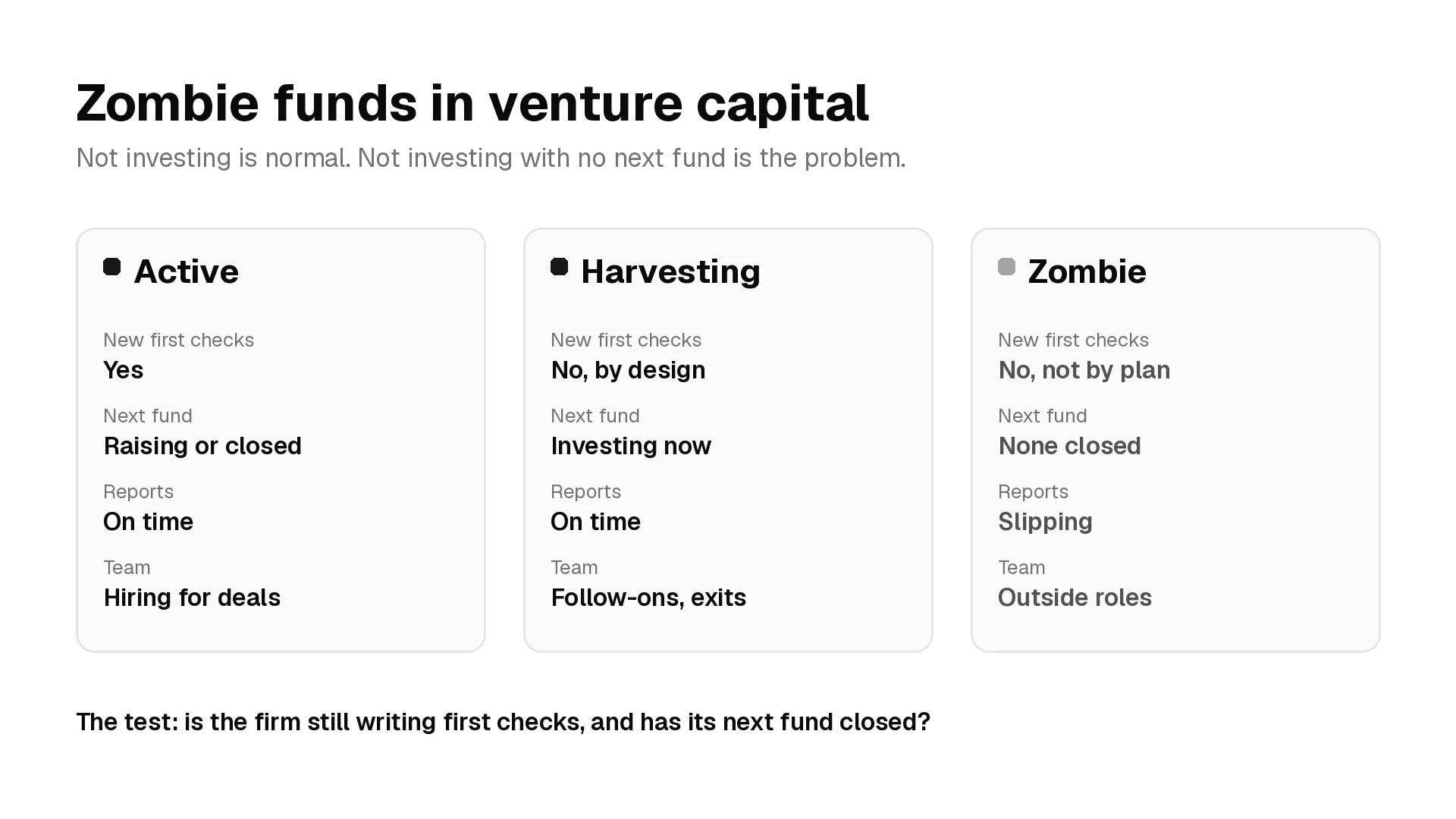
A zombie fund is a venture capital fund that still exists, still holds a portfolio and often still charges a fee, but has stopped making new investments without a successor fund to carry the firm forward. The test is simple. A firm that has stopped writing first checks and has not closed its next fund is a zombie, whatever its website says. For anyone who works at the firm or is about to, that status decides what your salary is paid from, whether your carry is worth anything and what your next two years of work will look like.
What a zombie fund is
A venture fund has two timelines. The investment period, usually the first four to five years, is when the manager can call capital for new companies. The fund term, usually ten years plus extensions, runs until the last position is sold or written off. The venture capital fund lifecycle is built so new investing ends years before the fund does.
A fund that stops making new investments on schedule is doing its job. The firm behind it usually has a newer fund doing the new deals. A zombie is different. Investing stopped because the money ran out or the next fund never closed, and the people meant to run the remaining portfolio have less money and less reason to do it well.
Nothing is filed when a fund turns zombie. There is no notice to the SEC and no announcement. The website stays up, the partners keep their titles and the portfolio page keeps its logos. That is why candidates walk into offers at dormant firms without knowing it.
Zombie, harvesting or active
Most confusion comes from treating "not investing" and "dead" as the same thing. Three states are more useful.
| State | New first checks | Successor fund | Reporting and team | What it means for the team |
|---|---|---|---|---|
| Active | Yes, from the current fund | Raising or recently closed | Quarterly reports on time, hiring for deal roles | Normal investing jobs, carry in a fund with years of deployment ahead |
| Harvesting | No, by design | A newer fund is investing | Old fund reported on time; work is follow-ons, boards and exits | Fine if you sit on the newer fund; old-fund work is portfolio management |
| Zombie | No, not by plan | None closed, or stalled in market | Reports slip, partners take outside roles | Shrinking budget, carry likely below the hurdle, little new deal work |
The column that matters for a job seeker is the successor fund. A harvesting fund at a firm with a live Fund III is a normal part of the business. The same fund at a firm whose last close was in 2021 is a different job.
How a VC fund becomes a zombie
No single event creates a zombie. Four causes stack on each other, and most dormant firms show at least two.
The next fund does not close
A first-time manager usually has to raise Fund II before Fund I has returned much cash. LPs are asked to back markups and a process. When they say no, the firm loses its next fee stream and its reason to keep sourcing. The partners still owe the old fund years of work.
The fee budget shrinks while the work does not
Management fees usually step down after the investment period. The base often moves from committed capital to the cost of investments still held, and that base falls as companies fail. Here is an illustrative $100 million Fund I with a 2% fee on commitments for five years, then 1.5% of remaining invested cost. It assumes $55 million of cost is still held in year 6 and $40 million in year 8, and a $150 million Fund II at 2% if one closes in year 4.
| Year | Fund I fee | Fund II fee, if it closed | Fee income with Fund II | Fee income without Fund II |
|---|---|---|---|---|
| 3 | $2.0M | $0 | $2.0M | $2.0M |
| 5 | $2.0M | $3.0M | $5.0M | $2.0M |
| 6 | $825K | $3.0M | $3.825M | $825K |
| 8 | $600K | $3.0M | $3.6M | $600K |
Without Fund II, fee income in year 6 is about 59% lower than during the investment period. By year 8 it is 70% lower. That $600,000 still has to pay for the audit, fund administration, tax filings, legal work, insurance and every salary at the firm. The management fee mechanics vary by fund, so treat these numbers as arithmetic, not a market benchmark. The shape is what matters. Once the investment period ends the fee falls, and it keeps falling as write-offs shrink the base.
Marks stay high and distributions stay low
A fund can report a healthy TVPI on paper while returning almost no cash. LPs re-up on DPI and realized returns, not markups. A firm with old marks and no distributions struggles to raise, and the longer the marks sit unchanged the less LPs trust them.
Partners take other jobs
When the fee no longer covers a living, partners take board seats, operating roles or jobs at other firms. The fee stopped paying for the job, so the job moved elsewhere. Partner time is what a venture fund actually runs on, and a fund that gets a partner's evenings stops sourcing and stops helping. If the departing partner is named in the fund documents, a key person clause can suspend new investing on its own.
Why there are more zombie funds in 2026
Capital is still flowing into venture, but to fewer managers. The Q3 2026 PitchBook-NVCA Venture Monitor reports these US numbers through September 30, 2026:
- $108.5 billion raised across 699 VC funds year to date, already above full-year 2025.
- Established firms on fund four or later took 88.2% of capital and 64.1% of new funds, both the highest shares in a decade.
- The number of distinct emerging firms closing at least one fund fell from 927 in 2022 to 440 in 2025 and to 211 through Q3 2026.
- First-time funds raised $4.9 billion across 81 funds, on pace for the fewest in a decade.
- The median US VC fund was $10 million.
The firms that stopped appearing in that count did not all disappear. Many still manage a 2019 to 2022 vintage fund with years left on its term and no new fund behind it. That is where zombie risk concentrates. Even dry powder figures can hide them, because uncalled commitments in an old fund count as capital even if nobody plans to deploy it into new companies.
No filing marks a fund as dormant, so treat any precise count of zombie funds with caution. The definition changes the number. The trend in fund closes is the reliable part.
Warning signs you can check from the outside
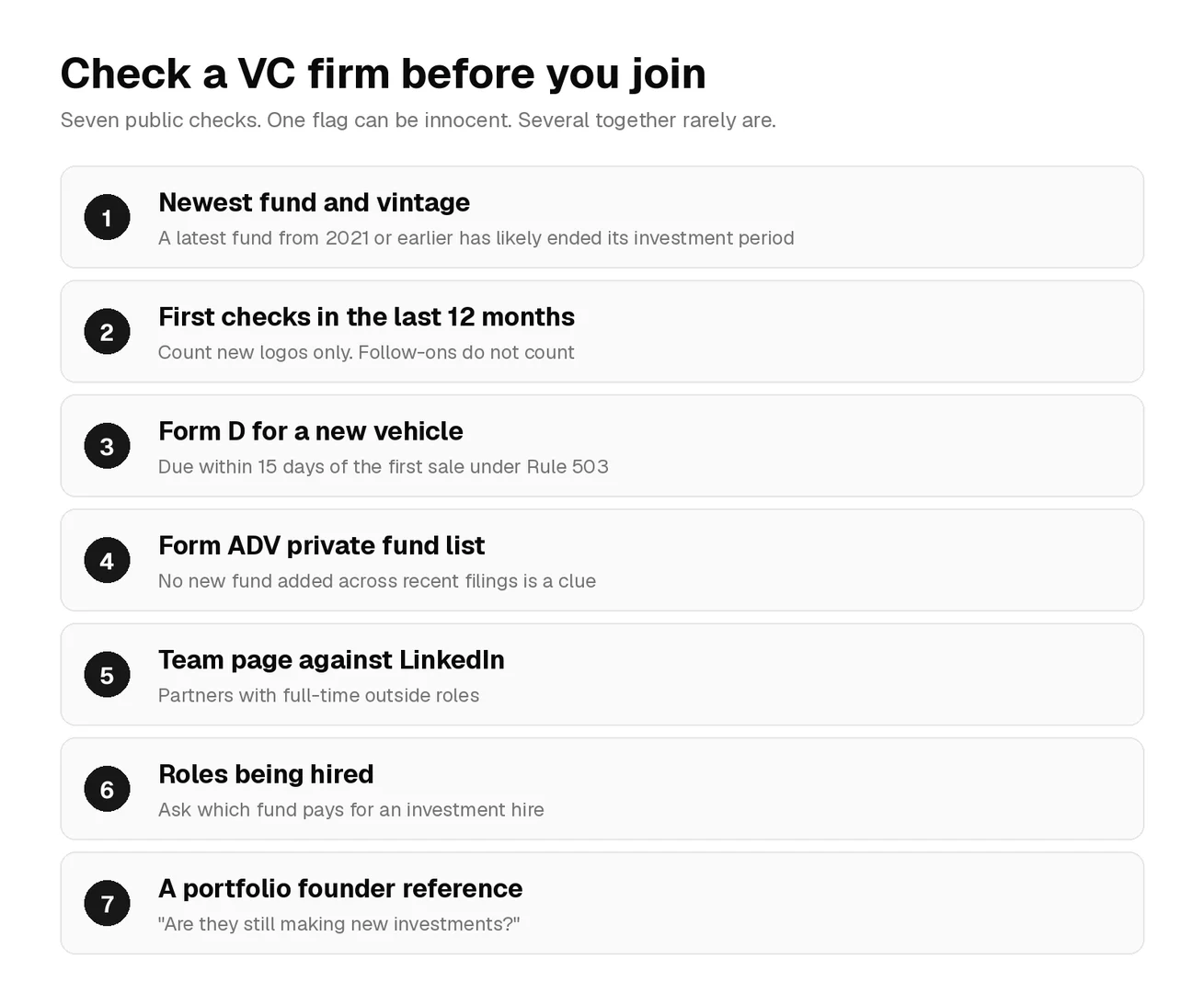
One signal can have an innocent explanation. Several pointing the same way rarely do. You can run most of these checks in half an hour before a first interview.
- Newest fund and its vintage. Find the latest fund number, size and closing year on the firm's site, in press releases or on its profile in the VC firm directory. A latest fund from 2021 or earlier means its investment period has likely ended or is close to it. Check the vintage year before you check anything else.
- New first checks in the last 12 months. Count new logos on the portfolio page, in announcements and on partners' LinkedIn posts. Follow-on rounds in existing companies do not count. An early-stage firm with no new first check in four quarters is worth asking about.
- A Form D for a new vehicle. A fund raising under Regulation D must file a Form D notice within 15 calendar days after its first sale, under 17 CFR 230.503. A firm that says it is raising Fund III and has closed money should have a recent Form D for that entity. Search the fund names in the SEC's EDGAR company search.
- The Form ADV private fund list. Most US VC managers file Form ADV, many as exempt reporting advisers, and list each private fund. Look the firm up on the SEC's Investment Adviser Public Disclosure site and compare recent filings. Our guide to reading a Form ADV covers what each section shows. No new fund added over two or three filings is a clue.
- Team page against LinkedIn. Partners who now list full-time operating roles, or a team page that has not changed while people left, show where attention has gone.
- What the firm is hiring for. A dormant firm rarely hires investors. If it is hiring for an investment role, ask which fund pays for it. A posting for fund accounting or portfolio support at an old firm can be normal harvest work.
- How a portfolio founder describes the firm. One message to a founder in the portfolio, asking whether the firm is still making new investments, often settles it.
A quiet firm is not always a dormant one. A firm near the end of its investment period may be saving reserves for its best companies. A firm that went quiet on social media may be busy. Judge the pattern.
How zombie funds end
A zombie fund ends one of seven ways. The fund documents and the LPs decide which, and each one changes the work for the people still at the firm.
| Route | How it works | What happens to the team |
|---|---|---|
| Extension | LPs or the LP advisory committee approve one or two extra years, often with a fee cut and named exits | More portfolio and reporting work on a smaller budget |
| Fee reduction or waiver | GP accepts lower or no fees during the tail | Raises, bonuses and headcount get cut first |
| LP secondary sale | Individual LPs sell their interests to a secondary buyer at a discount | Little change for staff; more LP reporting and transfer paperwork |
| Strip or portfolio sale | Fund sells remaining positions to a secondary buyer and distributes cash | Intense diligence work, then the job ends with the fund |
| Continuation fund | Best remaining assets move to a new vehicle led by the same GP | Only happens with assets worth keeping; staff may follow the new vehicle |
| Manager replacement | LPs remove the GP under the LPA, or a new manager takes over the wind-down | Original team usually leaves |
| Wind-down | Remaining shares sold, written off or distributed in kind; final accounts and tax filings; dissolution | Finance and ops work until the end, then the fund closes |
Each route can take months or years. Removing a GP usually needs a supermajority LP vote set in the partnership agreement, one of the few hard levers in the LP and GP relationship. Those votes are hard to organize, so extensions and fee cuts are far more common.
What a zombie fund means for people who work there
The people with the most at stake in a dormant fund are often the associates, principals and ops staff paid out of the shrinking fee. Their jobs change long before LPs see a final distribution.
Pay, carry and titles
- Pay. Salaries come out of management fees. When the fee steps down and no new fund closes, raises freeze, bonuses shrink and headcount falls. Junior investment roles tend to go before fund finance roles, because someone still has to produce capital accounts and K-1s.
- Carry. Carried interest pays only after LPs get their capital back, plus any hurdle. In a fund that will not clear that bar, carry points are worth zero. Many new hires get carry only in the next fund. If that fund never closes, the carry offer was a promise about a vehicle that does not exist.
- Titles and promotion. Promotion to principal or partner usually depends on sourcing and leading new deals. With no new checks, the path stalls. Some firms give title bumps instead of pay, which reads well on LinkedIn and adds nothing to your track record.
- Day-to-day work. The job moves from sourcing to triage: deciding which companies get the last reserves, working through write-offs, preparing for a secondary sale and handling LP questions. That work is real and teachable. It is not what most people join venture to do.
Questions to ask before you accept an offer
Ask these in the final round or at the offer stage. Expect dates and numbers. Vague answers about timing or the market are the warning. Our offer negotiation guide covers how to raise them without souring the conversation.
- Which fund's management fee pays for this role, and when does that fund's investment period end?
- When did the firm last close a fund, and is the next one in market? What is the target and the expected first close?
- How many new first checks did the firm make in the last 12 months?
- Which funds would my carry come from, and what are the vesting and leaver terms?
- How many people joined and left the investment team in the last two years?
- What does this role become if the next fund takes a year longer to close?
If you already work at one
Start looking while you still have the job. Your network, references and current title all work better from inside a firm than after it winds down. The skills a dormant fund teaches have buyers.
| Next move | Why your experience fits | What to stress |
|---|---|---|
| Investing role at an active VC firm | You know the stage and sector | Deals you sourced or worked before the slowdown |
| Corporate venture capital | One LP and no fundraising cycle | Diligence, portfolio support, follow-on decisions |
| Family office or fund-of-funds | LPs value people who have seen a fund struggle from inside | Fund reporting, manager evaluation, co-invest diligence |
| Secondaries buyer or advisor | Tail-end and GP-led deals need people who can price old portfolios | Valuation work, data room prep, write-off decisions |
| Fund finance or operations | Wind-downs are heavy on accounting and LP work | Capital accounts, audits, LP reporting |
| Operator role at a portfolio company | Founders you supported know your work | Board work and hands-on help |
How to explain it in an interview
Be factual and brief, then move to what you did. A version that works:
"The firm's Fund I is in harvest and the partners decided not to raise Fund II. For the past year I've been working on the portfolio. I ran the follow-on analysis on our six remaining companies, prepared the data room for a secondary process and handled quarterly LP reporting. I want to get back to new investing, and this role is at the stage I know best."
Do not criticize the partners. Interviewers in venture know each other, and the market explains most dormant firms. Use the interview question bank to prepare for the follow-up questions about deals you led.
Frequently asked questions
Is a fund past its investment period a zombie fund? No. Stopping new investments after the investment period is the plan. It becomes a zombie when the firm has no successor fund and active management of the old portfolio stops.
Do zombie funds still charge management fees? Often, at a lower rate or on a smaller base set by the fund documents. LPs usually push for fee cuts or waivers when they approve an extension.
Can a zombie fund raise again? Rarely without dealing with the old fund first. The managers who recover are usually the ones who told LPs plainly that the fund is in harvest, kept reporting on schedule and set a date to dissolve it.
Should I take a job at a firm whose last fund is from 2021? Possibly. Check whether a newer fund is in market, ask which fund pays for the role and where your carry would sit, and read the J-curve of the current fund honestly. A 2021 fund with a Fund II closed in 2024 is a normal job.
How many zombie VC funds are there? Nobody knows precisely, because no filing marks a fund as dormant and every count uses its own definition. The fundraising data shows the direction. Emerging firms closing a fund fell from 927 in 2022 to 211 through Q3 2026.
Next steps
Before your next application, look up the firm in the Venture Capital Careers companies directory and run the seven checks above. Then browse open venture capital roles at firms that are actively investing, and create a free account to get new roles by email. For a wider view of where each seat leads, see the venture capital career path.
Related posts
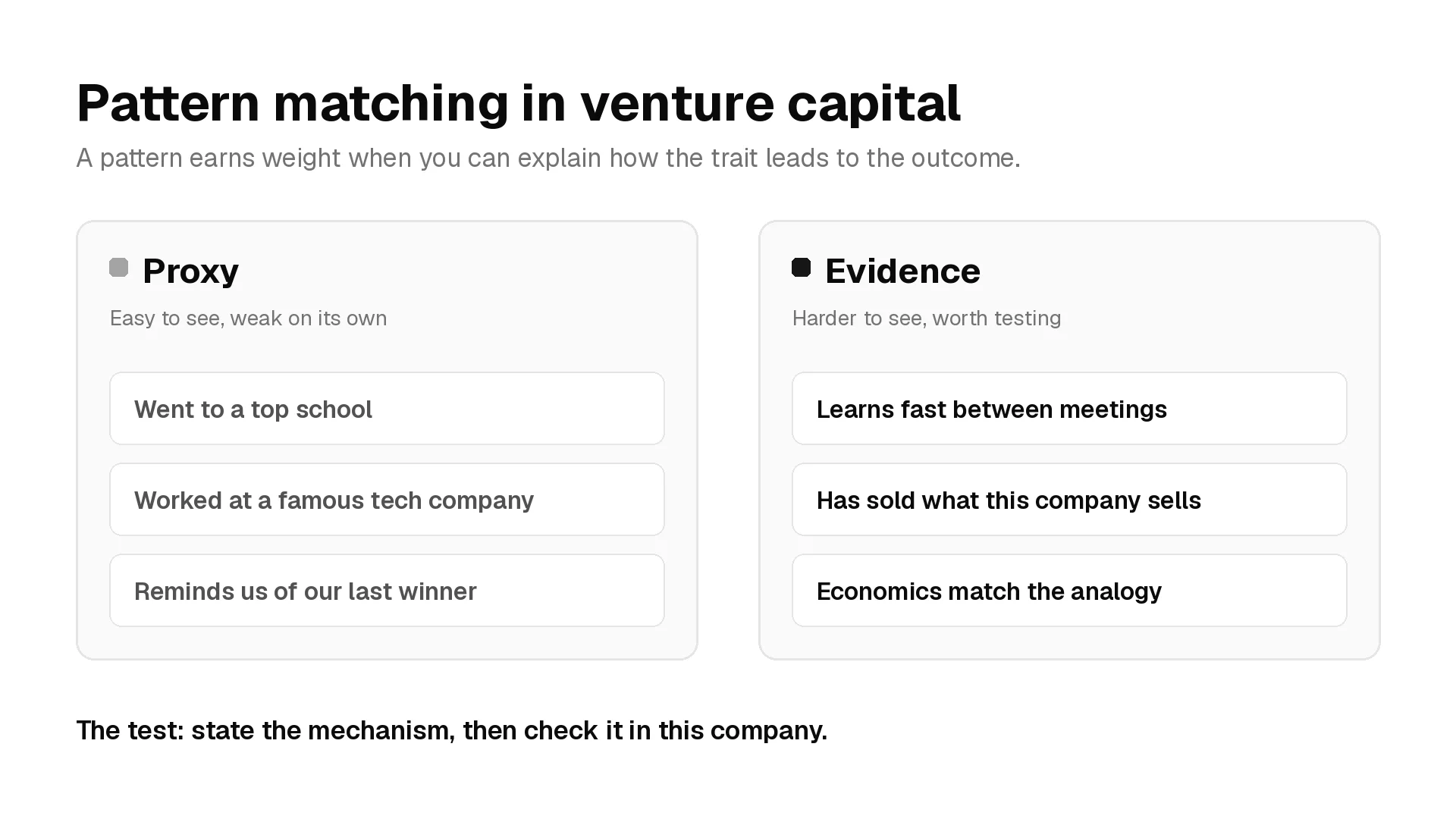
Pattern matching is how VCs judge new companies against past ones. When a pattern carries real information, when it is only a proxy, and how analysts and associates can use it well and talk about it in interviews.
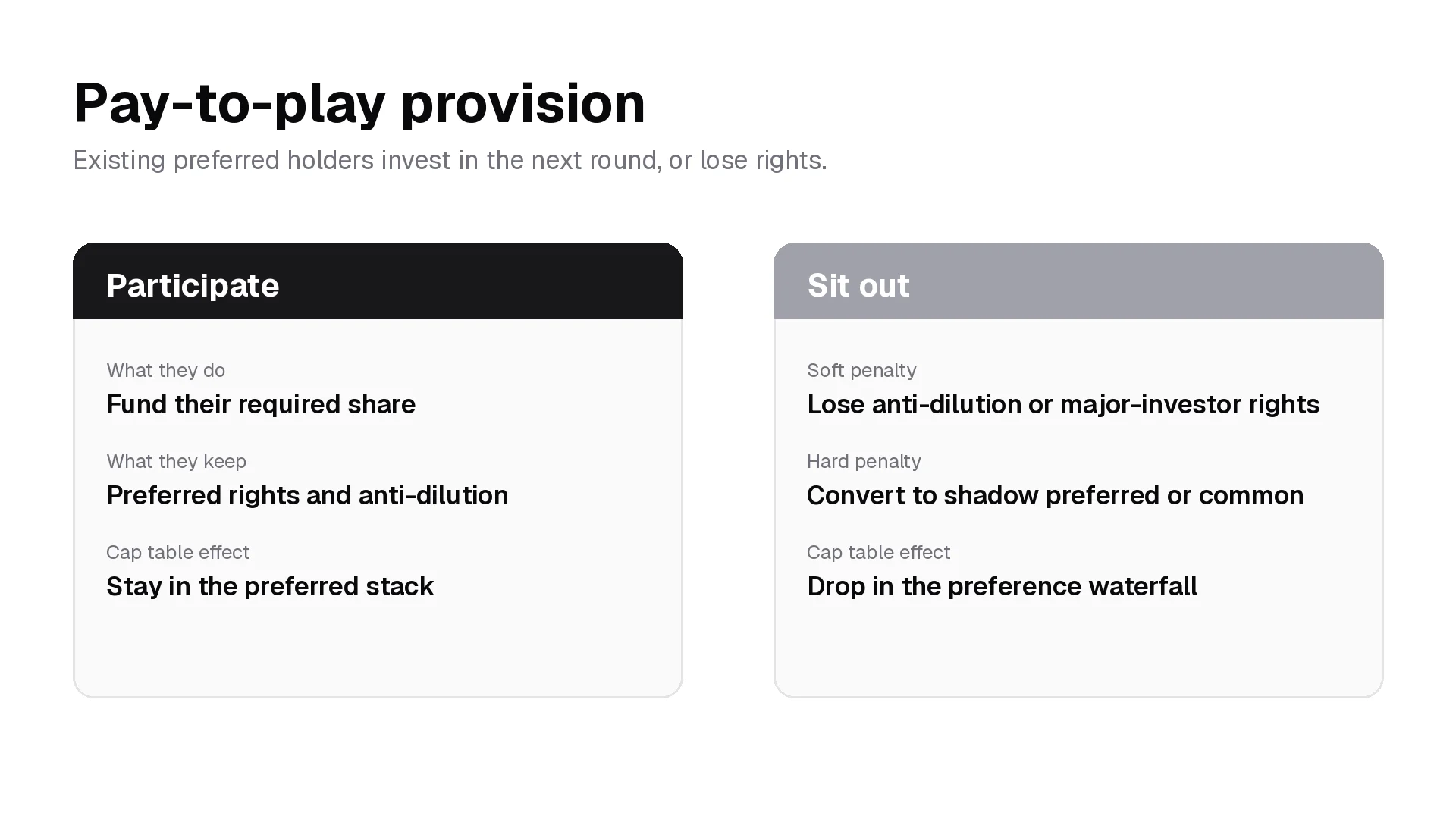
A pay-to-play provision requires existing startup investors to join a future financing, usually pro rata, or lose protections such as anti-dilution rights or preferred-stock status.
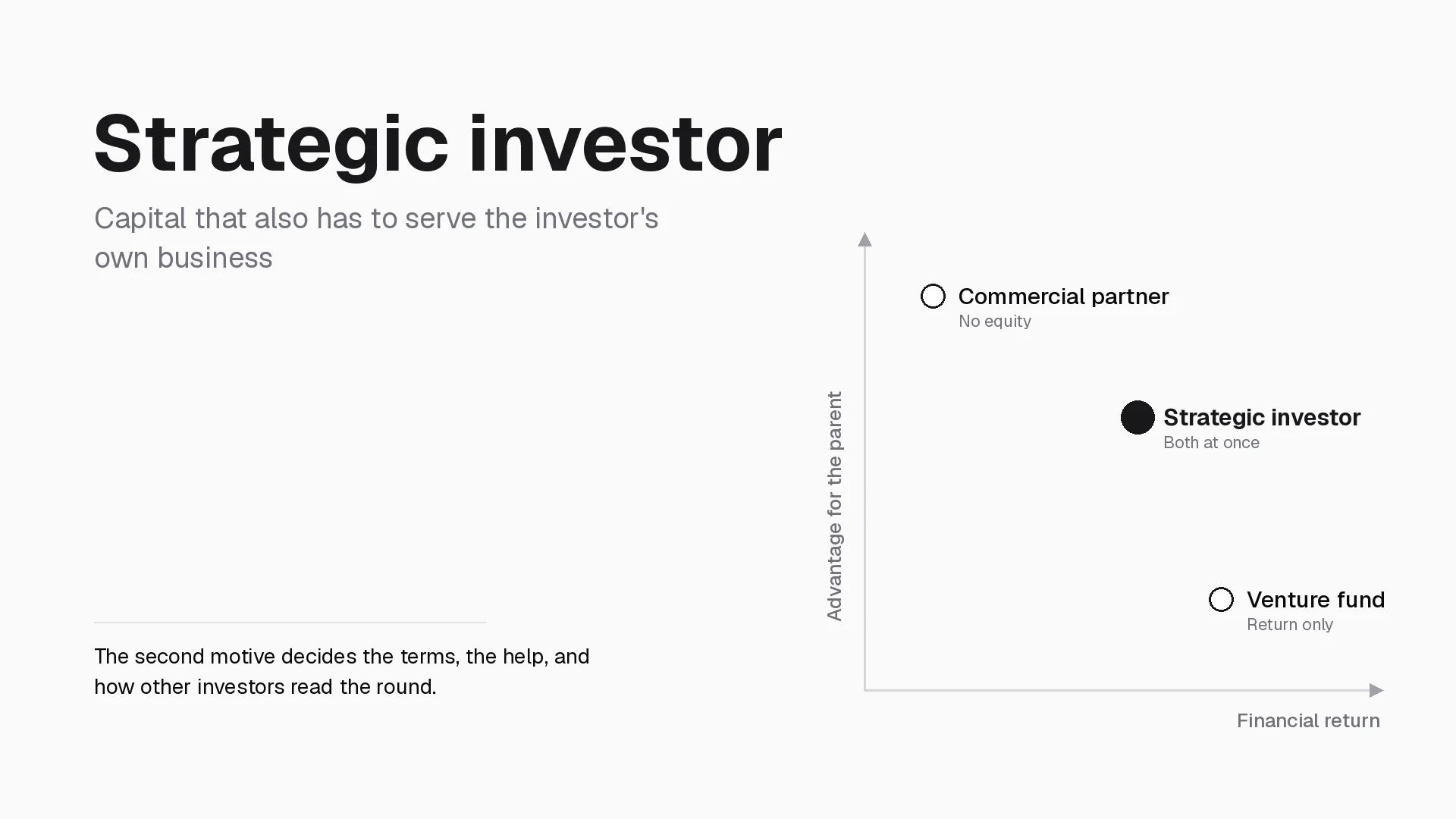
A strategic investor backs a startup for financial return and for an advantage tied to its own business. Types, deal structures, the terms to narrow, 2026 corporate venture data, and how VC leads read a corporate on the cap table.