

A venture capital intern day is a supervised proof window. You screen decks, write clean notes, take research slices, support diligence, and show you can finish work without creating process drag. You do not run the investment committee. You do not own the fund's reputation. The seat exists so a small team can test whether you add useful judgment under real pipeline pressure.
Treat any sample schedule as a composite. Formal summer programs, informal seats at emerging managers, and part-time fellowships reorder the same workstreams. Live deals, mentor style, and whether the internship is 10 hours or 40 hours a week change the texture more than the title does.
If you still need the recruiting path, start with how to get a venture capital internship. If you want the full-time altitude, compare the associate day in the life and analyst day in the life guides after you understand the intern seat.
What a VC intern day is actually for
The day has one job: prove you can reduce friction on research, sourcing support, or portfolio help while someone more senior still owns the decision.
That usually means:
- Turning inbound noise into a clear pass, maybe, or escalate
- Capturing founder conversations so the team does not rely on memory
- Finishing a bounded research slice that changes what the team believes
- Showing up prepared on calls you did not lead
- Closing loops early so partners do not chase you
What the day is not:
- Pretending you already source partner-quality deals alone
- Writing long memos nobody asked for
- Collecting coffee chats with nothing shipped
- Confusing attendance with ownership
Good internships feel like apprenticeship with deliverables. Weak ones feel like shadowing with no finished artifacts. Ask which pattern you are walking into before you accept the seat.
A timestamped day in the life of a VC intern
| Time | What often happens | Why it matters |
|---|---|---|
| 8:30-9:30 | Inbox and tracker triage: new decks, warm intros, news flags, overnight notes | Interns protect senior attention by sorting what deserves a reply, a pass, or a deeper look |
| 9:30-10:00 | Priority sync with mentor or stand-up | The day fails when every request feels urgent and nothing is ranked |
| 10:00-12:00 | Founder calls, first meetings, or diligence interviews as note-taker or junior support | You learn how questions reveal judgment, and you produce notes the team can reuse |
| 12:00-13:00 | Working lunch: clean notes, follow-ups, light reading | Clean notes are an intern product. Vague memory is not |
| 13:00-15:30 | Deep work: market map slice, competitor set, customer list, simple model check, or memo section | This is where reliability shows up |
| 15:30-17:00 | Internal review, mentor feedback, pipeline update, or special-project work | Interns turn drafts into something a partner can skim |
| 17:00-18:30 | Admin, CRM hygiene, event prep, or leftover research | Small funds lean harder on this block |
| Evening | Variable: reading, one event, or a live-deal catch-up | Useful relationship time beats performative attendance |
A live-deal day looks different. Customer references move across time zones. A partner challenges the market section. A memo deadline appears. Recurring work gets postponed rather than deleted. For broader workload ranges, use the venture capital hours guide instead of treating any one calendar as a promise.
Part-time programs compress this into fewer blocks. You might only own triage plus one deep-work slice and a weekly team call. The standard is the same: finished notes, ranked risks, and no dropped follow-ups.
The five workstreams that fill the day
Interns rarely do one job all day. The same person usually moves across five workstreams. The mix changes by fund, but the categories stay stable.
| Workstream | Typical intern work | What good looks like |
|---|---|---|
| Screening | Inbound decks, thesis list hygiene, first-pass notes, CRM updates | A clear reason each company is advanced or passed |
| Meeting support | Call questions, live notes, post-call summary, open questions | Notes a partner can forward without rewriting from scratch |
| Research | Market maps, competitor sets, literature or product checks, news digests | A bounded answer that changes the recommendation |
| Diligence support | Customer lists, reference prep, simple model checks, exhibit cleanup | Risks ranked by decision impact, not by how easy they were to research |
| Special projects | Newsletter, sector note, process cleanup, community or platform help | A finished artifact with an owner and a due date |
Two failure modes show up often.
Inbox theater. You stay busy answering everything and never finish a recommendation slice. Memo theater. You write long documents that never force a decision or a clean pass.
A healthy intern day balances both. Screening protects time. Deep work converts time into judgment someone else can use.

How the day changes by internship type
Program type changes the texture of the day more than the job title does.
Formal firm program
Structured programs often include a syllabus, mentor pairing, weekly team calls, defined special projects, and a clearer recruiting calendar. Days still mix screening and diligence support, but you also get recurring learning blocks and a cohort. Hours can be part-time (often in the 10-15 hour range at some early-stage programs) or full-time summer intensity. Confirm the real hour expectation in writing.
Informal or emerging-manager seat
Smaller funds may give broader exposure with less structure. One afternoon can include tracker cleanup, a founder coffee, a rough market map, and helping a partner prep for a call. Mentorship can be excellent or thin. The day teaches ownership quickly when the team is honest about scope. It teaches chaos when nobody ranks work.
Part-time fellow or student-fund adjacent seat
These seats often compress investing work into evenings and weekends around school or another job. Expect fewer live calls and more async research. The proof standard does not drop. A two-page sector note and reliable notes still matter more than being "around."
| Dimension | Formal program | Informal / emerging manager | Part-time fellow |
|---|---|---|---|
| Structure | Syllabus, mentor, cohort rituals | Ad hoc priorities | Async + periodic sync |
| Breadth | Defined project plus deal support | Often wider, messier ownership | Narrower slices, deeper writing |
| Risk | Process without real deal access | Exposure without coaching | Low reps on live judgment |
| Signal to next seat | Program brand + artifacts | Ownership stories + references | Writing samples + consistency |
In conversations with firms, ask for the last week of the person who held the seat. A week description beats a brand description.
Intern vs analyst vs associate day
Titles vary by firm. The day still reveals the real level. The table below focuses on how the day feels, not on a universal ladder promise.
| Dimension | Intern day | Analyst day | Associate day |
|---|---|---|---|
| Primary job | Prove reliability and judgment under supervision | Produce reliable evidence at higher volume | Turn evidence into a recommendation and keep work moving |
| Morning focus | Triage and mentor priorities | Research, screening notes, data cleanup | Triage plus priority calls |
| External time | Joins calls, captures notes, runs assigned follow-ups | Joins and often owns assigned follow-ups | May lead early founder or diligence conversations |
| Writing | Notes, sections, short sector slices | Sections, exhibits, source packs | Fuller narrative, risks, recommendation |
| Success signal | Finished artifacts, no process drag, coachability | Accuracy, speed, clarity | Judgment, prioritization, trusted ownership |
| Common failure | Shadowing with nothing shipped | Activity without ranked risks | Busy calendar without a decision |
If the posted title says intern but the day is only list-building with no feedback, believe the day. If a "fellow" seat looks like an associate day with memo ownership and external lead conversations, believe the day. For ladder context beyond the daily view, see the venture capital career path guide.
Tools, hybrid work, and operating notes
Interns still live in spreadsheets, decks, notes docs, CRM records, and email or chat threads. Many teams also use research databases, recording tools, and shared diligence rooms. The exact stack varies by firm budget and stage. Do not treat any vendor list as a hiring requirement unless the job description says so.
Hybrid patterns are likewise firm-specific. Some teams want office density for mentoring. Others run distributed calendars with heavy video diligence. The candidate question is not whether hybrid exists. Ask how juniors get feedback when people are apart, and whether relationship work is expected on site.
Two cautious notes:
- Tooling can speed note capture and research, but it does not replace judgment. Mentors still listen for how you prioritize and what you would believe or distrust.
- A flexible calendar can improve commute load while leaving evenings open to founder messages and event expectations. Confirm the real load before you treat "flexible" as light.
Avoid any claim that a particular percentage of intern time is now automated, remote, or AI-assisted. Opened SERP sources do not support a precise industry figure.
What to ship in the first four weeks
Most firm day-in-the-life posts describe atmosphere. Candidates also need a proof plan. Use this checklist as a default operating system, then adapt to the fund.
Week 1
- Learn the tracker fields and the pass/advance language the team actually uses
- Write notes for every call you join in the team's format
- Ship one short firm-fit note: stage, thesis, two portfolio companies, one open question
- Ask what "good" looks like for a first-pass deck screen
Week 2
- Own a bounded research slice on a live or practice company
- Build or update a competitor set with a useful segmentation, not a logo collage
- Close every follow-up you take within the window you promised
- Request one piece of direct feedback on your notes
Week 3
- Draft a memo section or a one-page recommendation with explicit risks
- Join a diligence workstream end-to-end on one narrow question
- Log what changed your mind, if anything
- Offer one concrete process improvement only if you have already delivered core work
Week 4
- Package two or three durable artifacts you can show later (with permission)
- Ask for honest feedback and whether a return, referral, or next-project path exists
- Write a private postmortem: what you learned about taste, process, and mistakes
- Update your target-firm list with sharper stage and thesis filters
If you reach week 4 with no finished notes, no research slice, and no feedback conversation, the seat is teaching attendance, not investing judgment.
Use the day to evaluate internship offers
Reverse the day-in-the-life question. Once you know what the work looks like, ask whether a specific seat produces that work in a healthy way.
Use this checklist when comparing internship offers:
- What share of the week is screening versus research versus meetings versus admin?
- Who sets priorities when two people want work on the same day?
- How often will you join founder or diligence conversations, and in what role?
- What does a good note or research slice look like here, and who edits it?
- Is the seat full-time intensity or a defined part-time hour band?
- How do interns get feedback after a weak draft?
- What happened to the last intern class after the program ended?
Then do concrete research:
- Browse open roles on Venture Capital Careers and compare stated responsibilities with the day mapped here.
- Research firms in the companies directory for stage, portfolio shape, and team signals.
- Prep materials with the internship cover letter and internship interview questions guides.
- Time the search with the recruiting timeline.
The point of a day-in-the-life article is not romance. It is fit. If the day energizes you because you like clean writing, ranked risks, and learning under supervision, an internship can be a strong first seat. If you want long stretches of independent ownership with few context switches, scrutinize program type and team design before accepting the title.
What does a venture capital intern do day to day?
Most intern days mix pipeline screening, meeting notes, bounded research, diligence support, and a special project. The exact mix depends on program type, fund stage, and whether a deal is live.
What does a typical day look like for a VC intern?
A useful composite day starts with triage and mentor priorities, moves into calls and deep research or memo support, then ends with feedback, tracker hygiene, and variable evening reading or events. No single timestamped schedule is universal.
How does a VC internship day differ from an associate day?
Intern days center on supervised proof and finished support artifacts. Associate days add stronger ownership of recommendations and coordination. Ask for real examples from the seat rather than trusting titles alone.
Are VC internship days nine-to-five?
Often no. Some programs are explicitly part-time. Others run full summer intensity with uneven evenings around calls or events. Confirm hours, pay, and expectations in writing.
What should I finish in the first month?
Aim for reusable call notes, one bounded research slice, one short recommendation or memo section, closed follow-ups, and a feedback conversation. Artifacts beat vibes.
Should the goal be a return offer?
A return offer is valuable when the firm has a real junior seat and you want that seat. Many internships will not convert. Optimize for learning, references, and proof you can show the next fund.
Next steps
- Map the day against the offers or target firms you are considering. 2. Build one sector note and one practice memo section this week. 3. Research 15-20 funds in the companies directory. 4. Browse open roles on Venture Capital Careers and create a talent profile so firms can find you. 5. If you still need the recruiting sequence, use how to get a venture capital internship.
Related posts
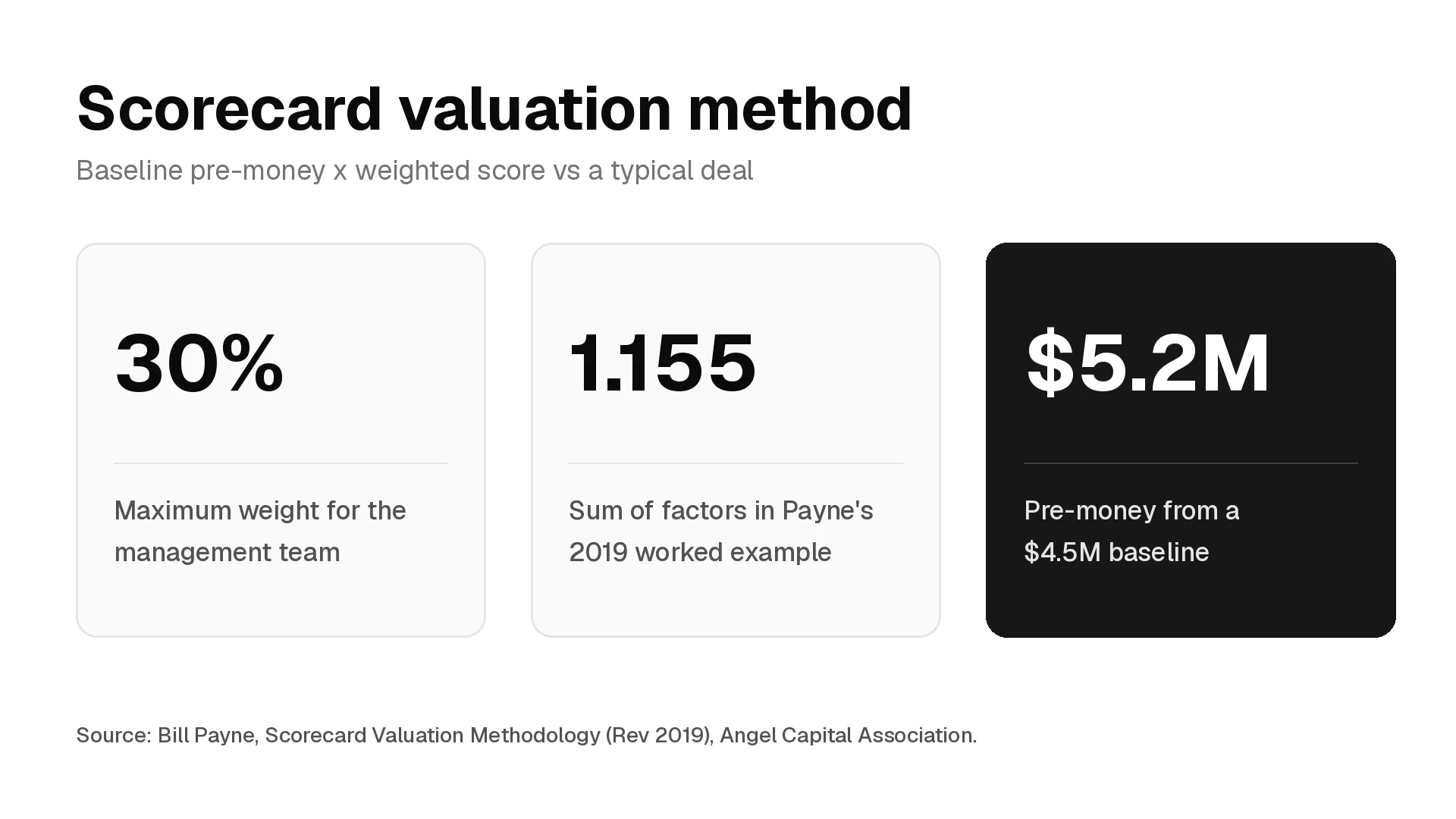
How the scorecard valuation method works, Bill Payne's seven factor weights, his worked example with the arithmetic checked, how to choose the baseline with current seed data, how sensitive the answer is, and how VC analysts use it in memos and interviews.
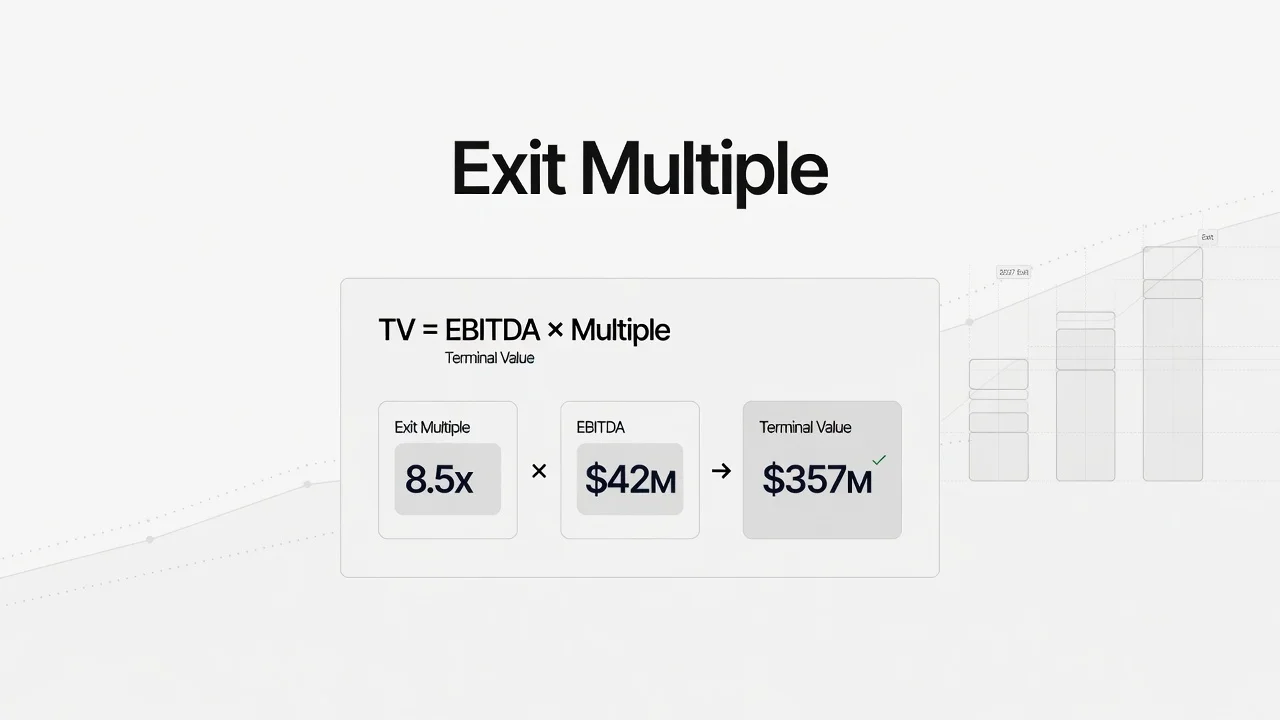
Exit multiple formula, a worked DCF terminal value example with a sensitivity grid, the implied growth cross-check, January 2026 industry multiples, and how VC investors use exit multiples.
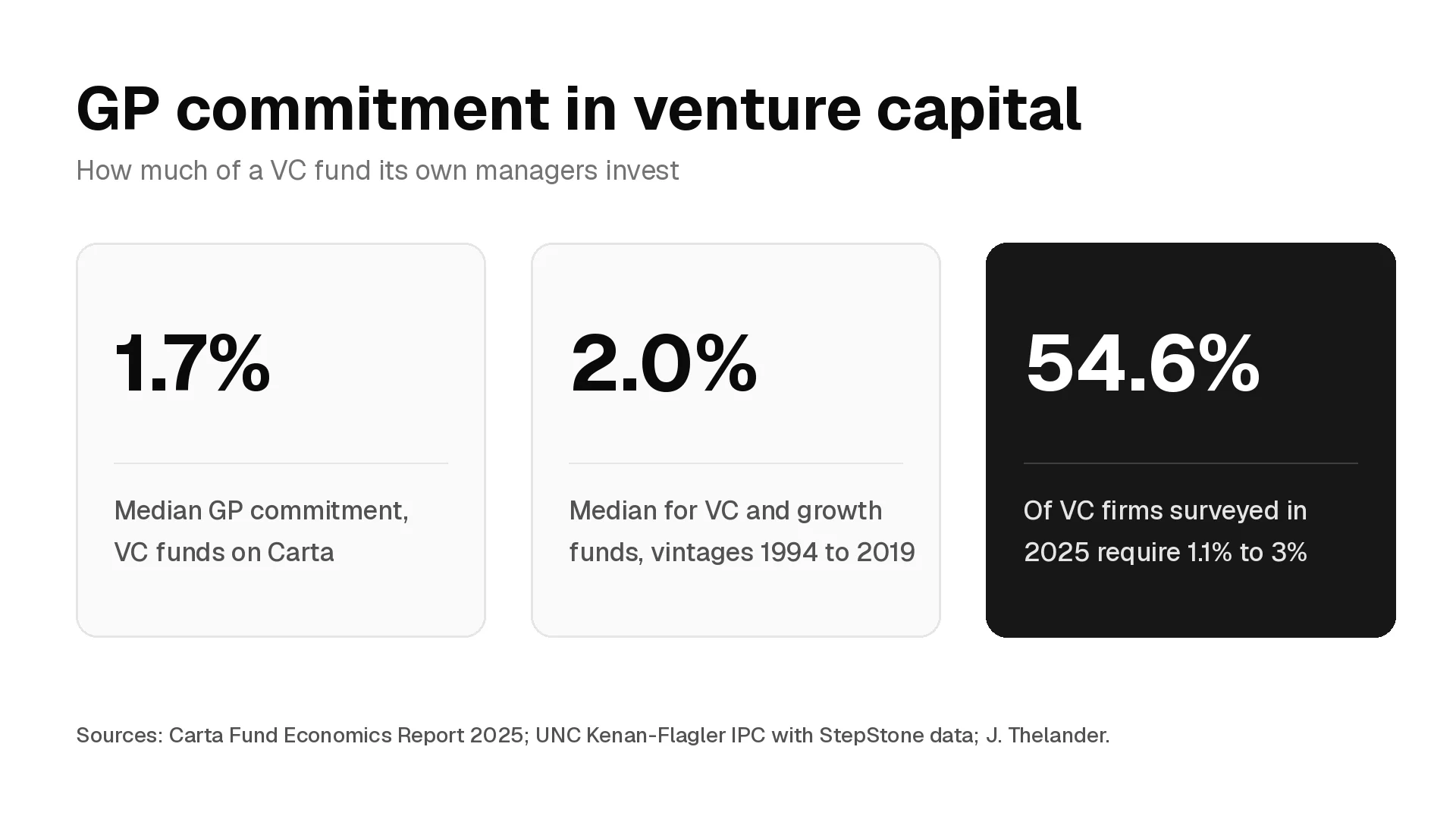
What a GP commitment is, how large it is in venture capital, how GPs fund it, where it sits in the LPA, what the returns evidence says, how firms split it across partners and principals, and what to ask before you accept a role with carry.